Sewage Line Installation in Denver, CO
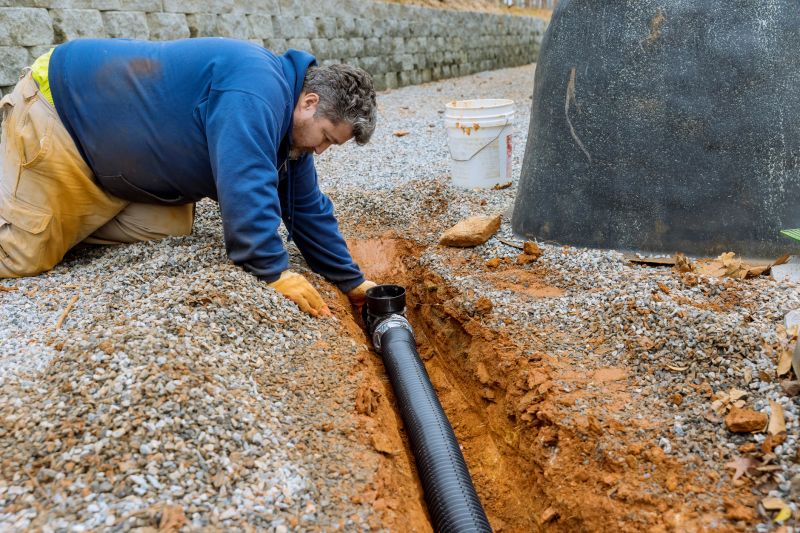
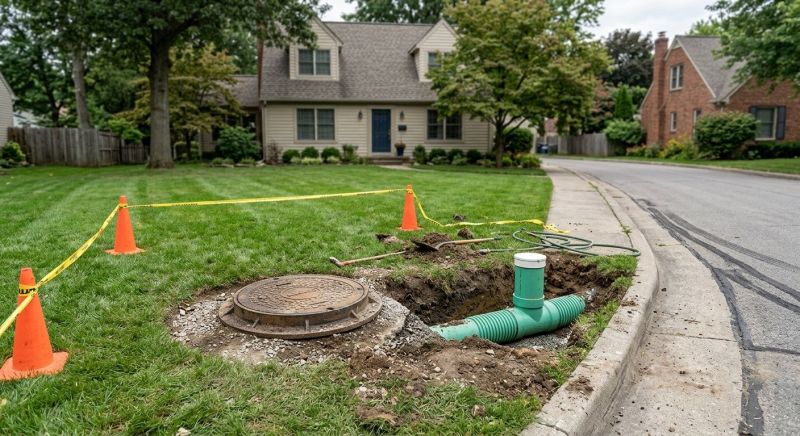
Sewage line installation services involve setting up the underground pipes that carry wastewater from a property to the municipal sewer system or a septic tank. These projects typically include new construction developments, property renovations, or replacing aging or damaged sewer lines. Homeowners often seek this service when building a new home, upgrading existing plumbing infrastructure, or addressing persistent drainage issues that may be caused by broken or blocked lines. Understanding the scope of the project, the location of existing utility lines, and the condition of the current sewer system are important details to consider before requesting installation services.
Property owners should be aware that sewage line installation can involve careful planning to avoid disrupting other underground utilities and to ensure proper slope and connection to the main sewer system. It’s also useful to know the type of piping used, such as PVC or cast iron, and any local regulations or permits that may be required for new installations or replacements. Clarifying these aspects in advance can help ensure the project proceeds smoothly and meets the specific needs of the property.
Many property owners in Denver, CO look into Sewage Line Installation for repairs, replacements, upgrades, and appearance-related improvements.
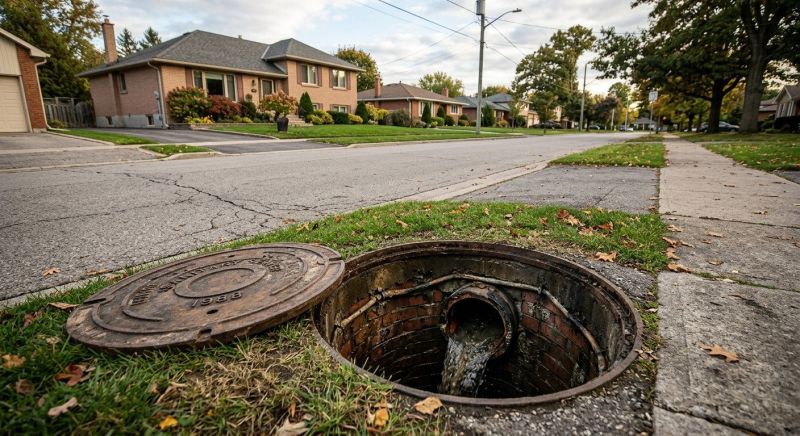
Proper Sewage Line Placement
Ensuring the correct routing of sewage lines is essential for efficient waste removal and preventing backups.
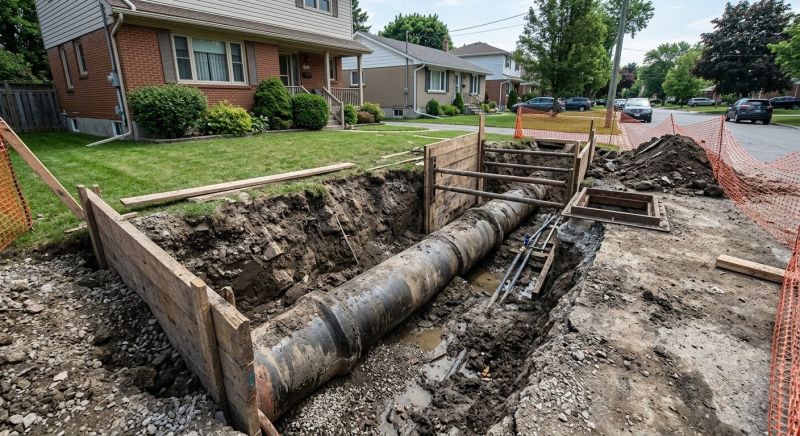
Material And Pipe Selection
Choosing durable materials and appropriate pipe sizes helps maintain reliable sewage system performance in denver homes.
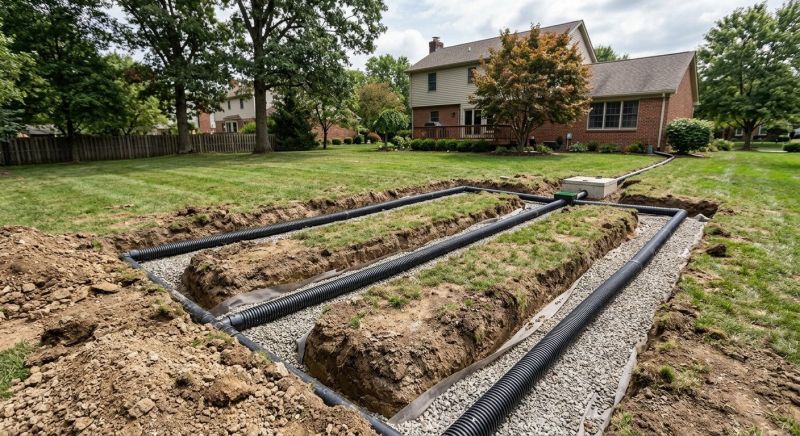
Installation And Code Compliance
Professional installation ensures the system meets local codes and standards for safety and functionality.
Sewage Line Installation in Denver, CO
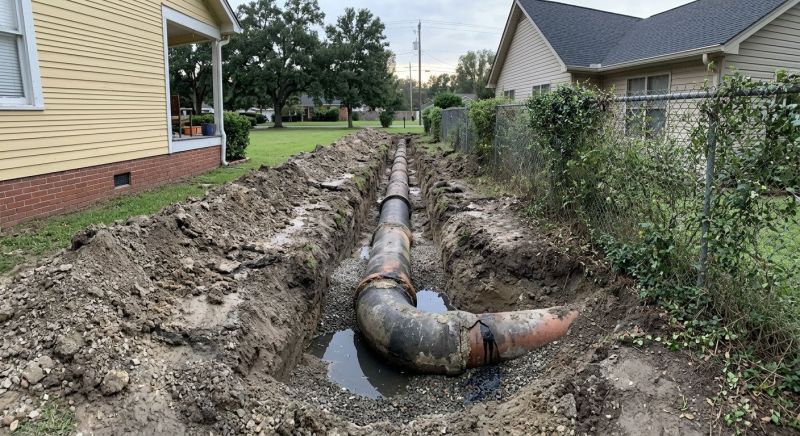
Sewage line installation services involve setting up the underground pipes that carry wastewater from a property to the municipal sewer system or a septic tank. These projects typically include new construction developments, property renovations, or replacing aging or damaged sewer lines. Homeowners often seek this service when building a new home, upgrading existing plumbing infrastructure, or addressing persistent drainage issues that may be caused by broken or blocked lines. Understanding the scope of the project, the location of existing utility lines, and the condition of the current sewer system are important details to consider before requesting installation services.
Property owners should be aware that sewage line installation can involve careful planning to avoid disrupting other underground utilities and to ensure proper slope and connection to the main sewer system. It’s also useful to know the type of piping used, such as PVC or cast iron, and any local regulations or permits that may be required for new installations or replacements. Clarifying these aspects in advance can help ensure the project proceeds smoothly and meets the specific needs of the property.
Many property owners in Denver, CO look into Sewage Line Installation for repairs, replacements, upgrades, and appearance-related improvements.
Common Sewage Line Installation Jobs
Sewage Line Replacement - removes damaged or aging pipes to prevent leaks and backups.
Sewage Line Repair - addresses blockages, cracks, or leaks in existing sewer lines.
New Sewage Line Installation - installs new sewer lines for property expansions or new constructions.
Sewer Line Inspection - uses cameras to identify issues before they cause major problems.
Sewer Line Cleaning - clears blockages and buildup to maintain proper flow and prevent backups.
Sewer Line Maintenance - routine services to extend the lifespan of sewer infrastructure.
Sewage Line Installation Questions
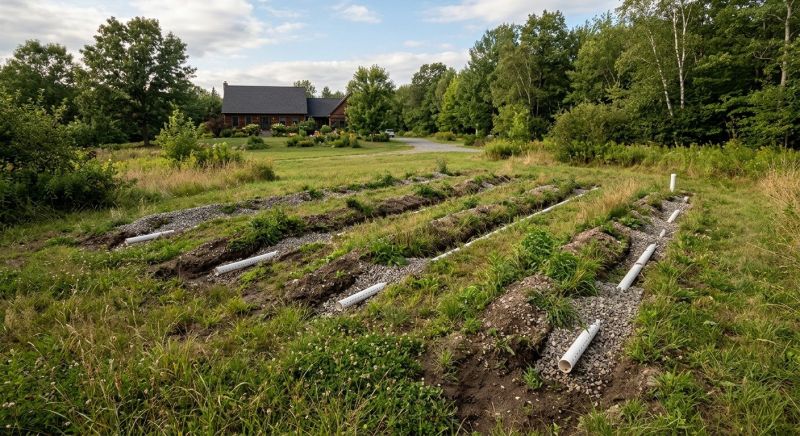
What is involved in sewage line installation? It includes planning the layout, excavating the area, and installing pipes to properly channel waste away from the property.
When should property owners consider installing a new sewage line? Installation is typically needed during new construction, major renovations, or if existing lines are damaged or outdated.
Are there different types of sewage pipes used in installations? Yes, common options include PVC, ABS, and cast iron, each suited for specific applications and property requirements.
What are common signs that a sewage line needs replacement? Signs include persistent backups, foul odors, slow drains, or visible damage to existing pipes.
Request Sewage Line Installation in Denver, CO
Use the quote form on this page to share the basics of your project and request more information for the type of work you need.